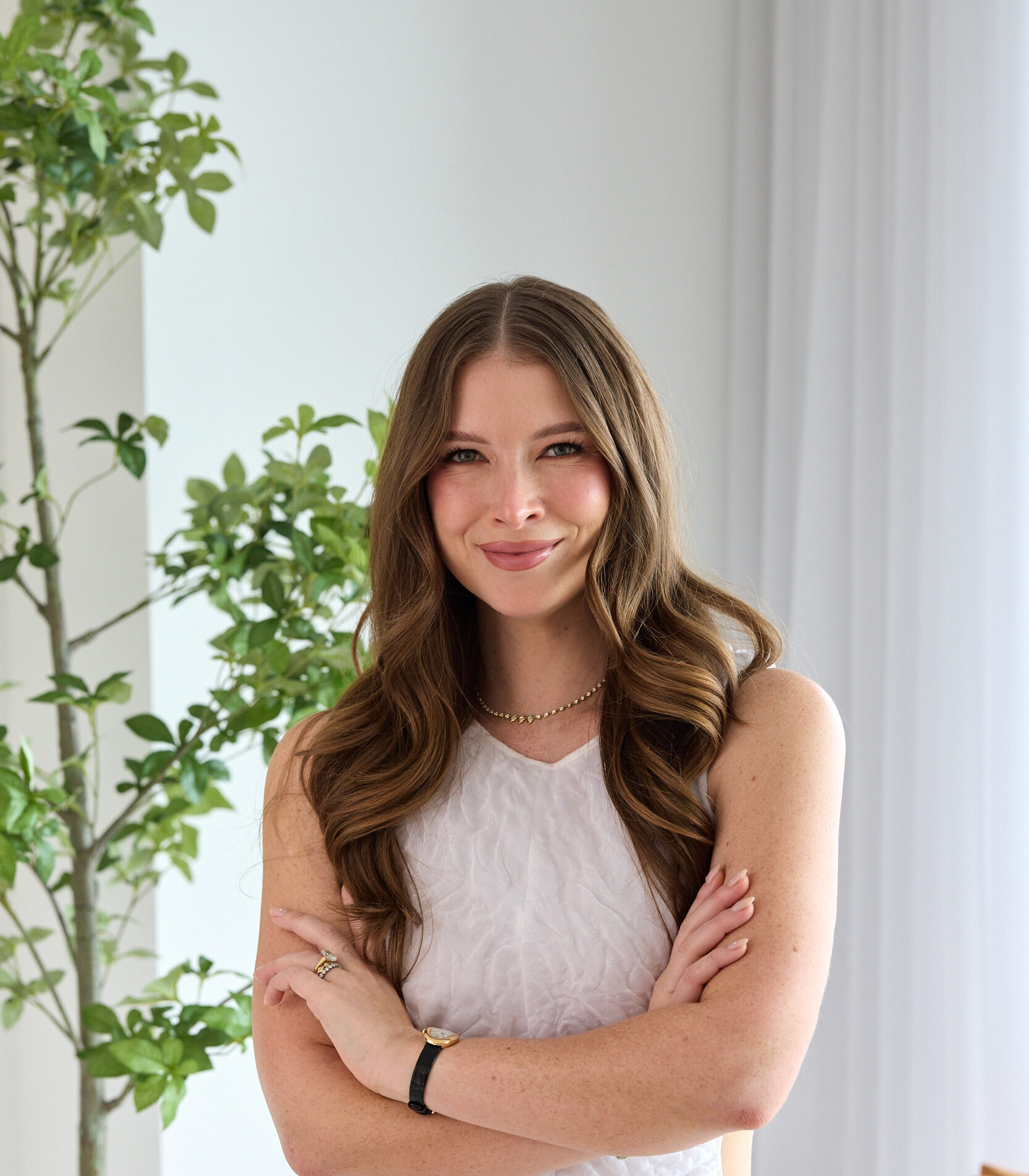
Dianna Cohen is the founder of Crown Affair, a haircare line shaped by intention, restraint, and care. What began as a deeply personal relationship with hair evolved into a philosophy centered on ritual, one that values patience over perfection and presence over performance. Through thoughtfully designed products and a slower approach to beauty, Dianna invites a return to everyday routines as moments of grounding, care, and quiet confidence.
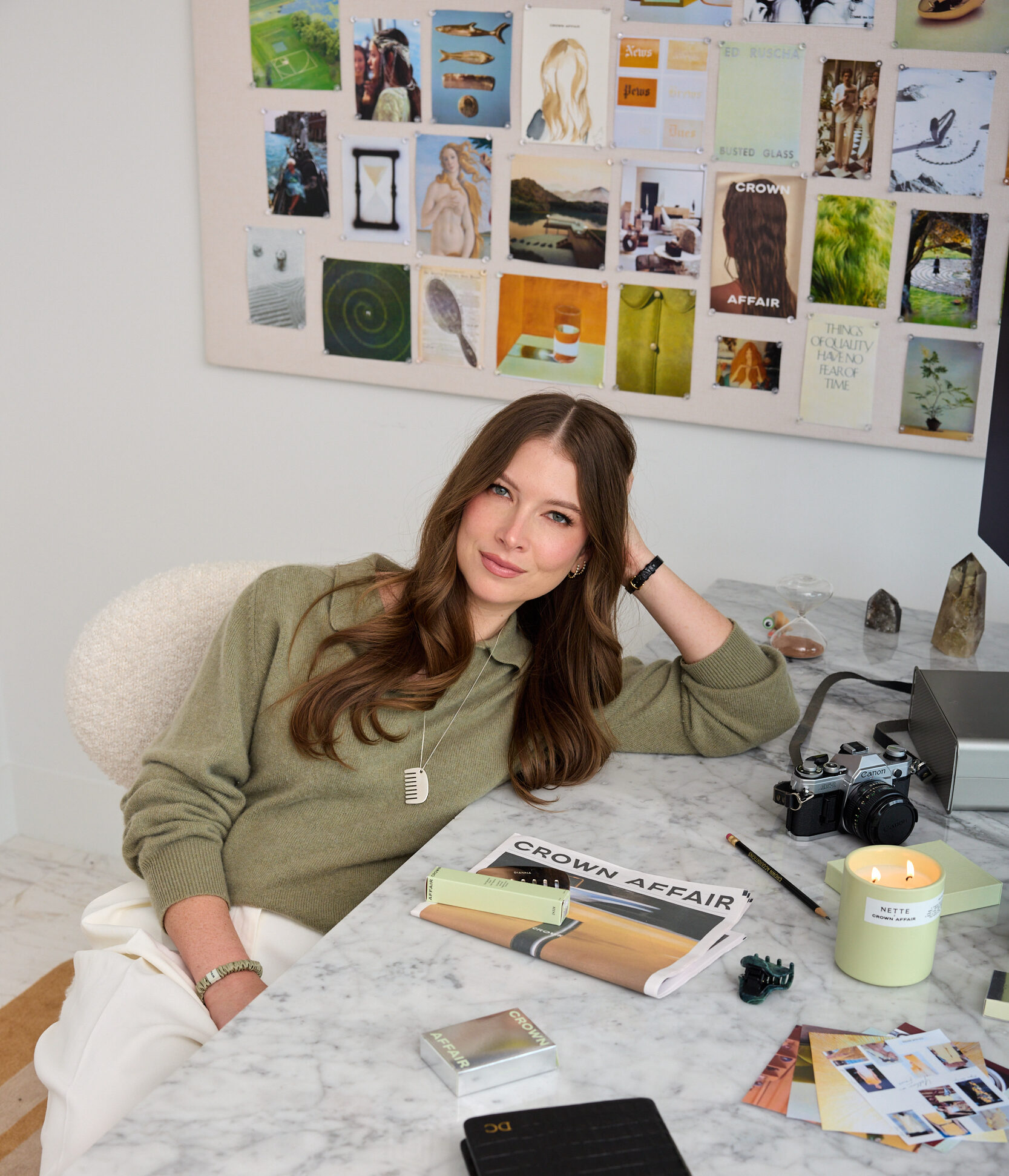
What’s always fascinated me is the ability to make beautiful things that actually change how people move through the world—not by upgrading an object, but by reframing its role in someone’s life. At Away, the goal was never just to sell a better suitcase to people who already cared about luggage; it was to speak to people who hadn’t yet realized how much a thoughtfully designed suitcase could transform their travel experience. By designing something accessible, well-made, and emotionally resonant, you could turn packing—from a stress point—into something that felt considered and even joyful.
That same curiosity has guided all of my work, whether it was activewear at Outdoor Voices, body care at Harry’s and Flamingo, or now haircare at Crown Affair. The throughline is always the same: take an everyday action people overlook or endure, and turn it into a moment they actually look forward to through product, design, and storytelling. Haircare, in particular, felt ripe for this shift. Wash day was framed as a chore, and prestige hair was largely about stylists creating looks on models—beautiful, but disconnected from how people actually live. I wanted to build something rooted in real life: products that integrate seamlessly into daily rituals and fundamentally change how people feel about caring for their hair.
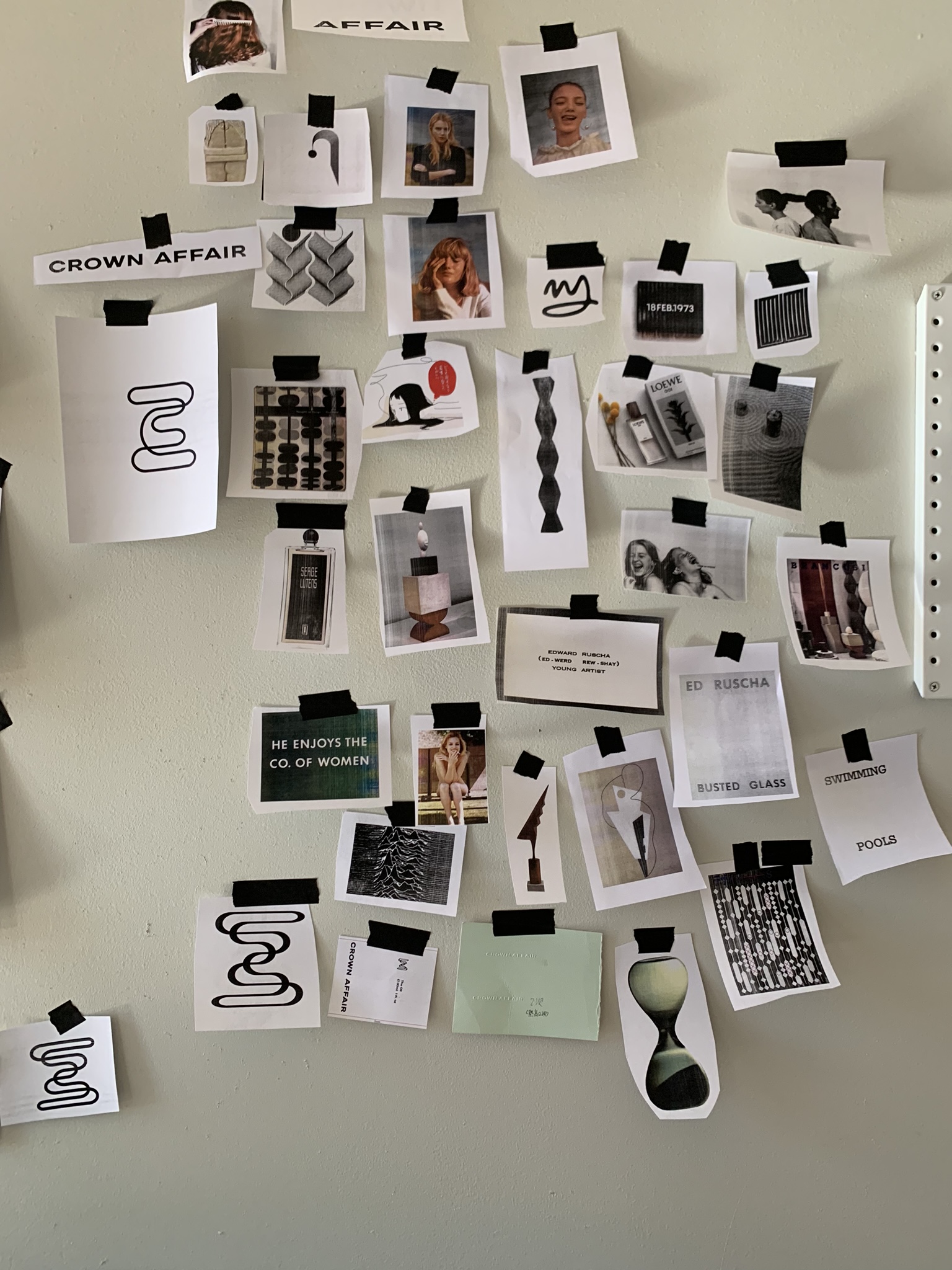
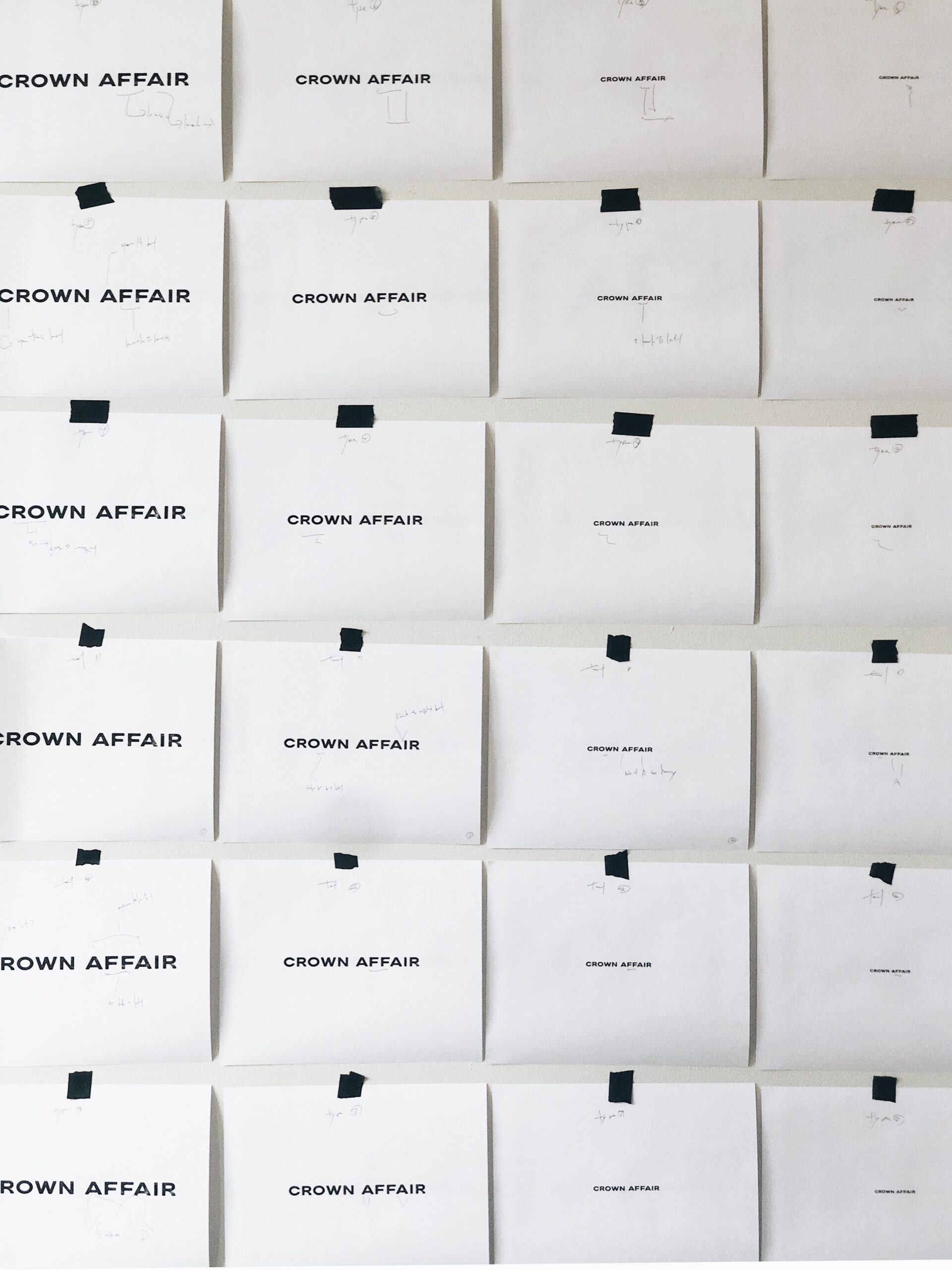
I learned more by proximity than any playbook could ever offer. Working with Emily Weiss—and Nick Axelrod—at Into The Gloss taught me the power of deep listening, sharp editing, and visual storytelling done with intention, even when resources were limited. The original Gloffice at 611 Broadway was scrappy by any measure, but it was magical because Emily’s taste has always been so dialed. I spent countless late nights transcribing interviews—my personal “Mr. Miyagi” era—wondering if it was all worth it. But listening closely to how Emily interviewed icons, how she drew people out with intimacy and curiosity, shaped my understanding of storytelling in a way no framework ever could. She’s a master of mixing the high with the low. I learned so much through osmosis in that space.
With Ara Katz, the education was entirely superhuman. She taught me that how you do anything is how you do everything—from the way you write an email to the punctuation you choose (and yes, to never misspell someone’s name). Her attention to detail, standards, and taste is extraordinary, and she showed me how to make something feel expansive and soulful, even when working on tight timelines and restrictions. More than anything, Ara taught me to lead with love — to bring people in, lift them up, and build with love. Those lessons are absorbed by being in the room.
Very candidly, there came a point where building momentum for other people’s ideas began to feel like a signal to build my own. After about two and a half years of consulting—working with brands like Harry’s, Outdoor Voices, and Buck Mason—you start to notice a pattern. You begin to trust that maybe you bring a bit of the magic yourself. At a certain point, it felt less risky to bet on my own vision than to keep placing it behind others’. I had been quietly building a brand universe in my mind for some time, rooted in my lifelong love of hair and beauty rituals. The true lightbulb moment came in 2018, when a Google Doc I shared with friends—outlining my haircare routine, the products I loved, and how I used them—spread far beyond my immediate circle. What struck me wasn’t just the interest, but the disconnect it revealed: some of the most impressive, capable women I knew didn’t understand the basics of caring for their hair. I wanted to start at the foundation. I began reaching out to vendors in Italy, Switzerland, Korea, and Japan to see if I could even make the core post-wash products I was dreaming about. (Spoiler: we could.) After returning from Japan in spring 2019, I gave myself the summer to see if this could become real—products, a brand world, and the beginnings of a business. I set clear deadlines for myself. I closed our seed round in August 2019, launched our landing page and social channels in December, and turned the site live on January 28, 2020.
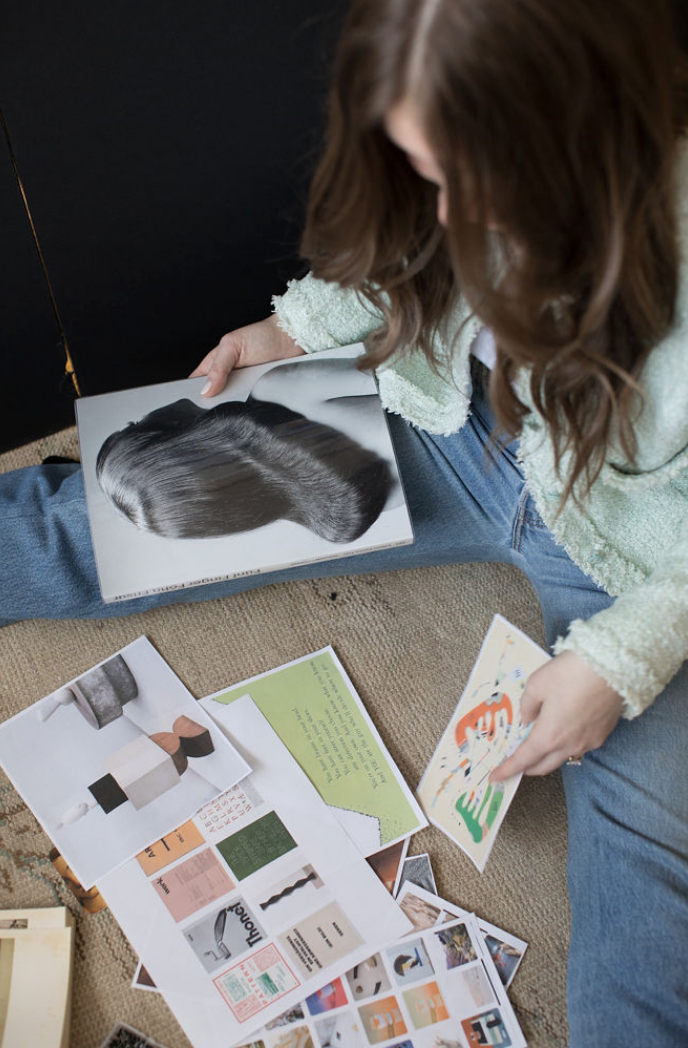
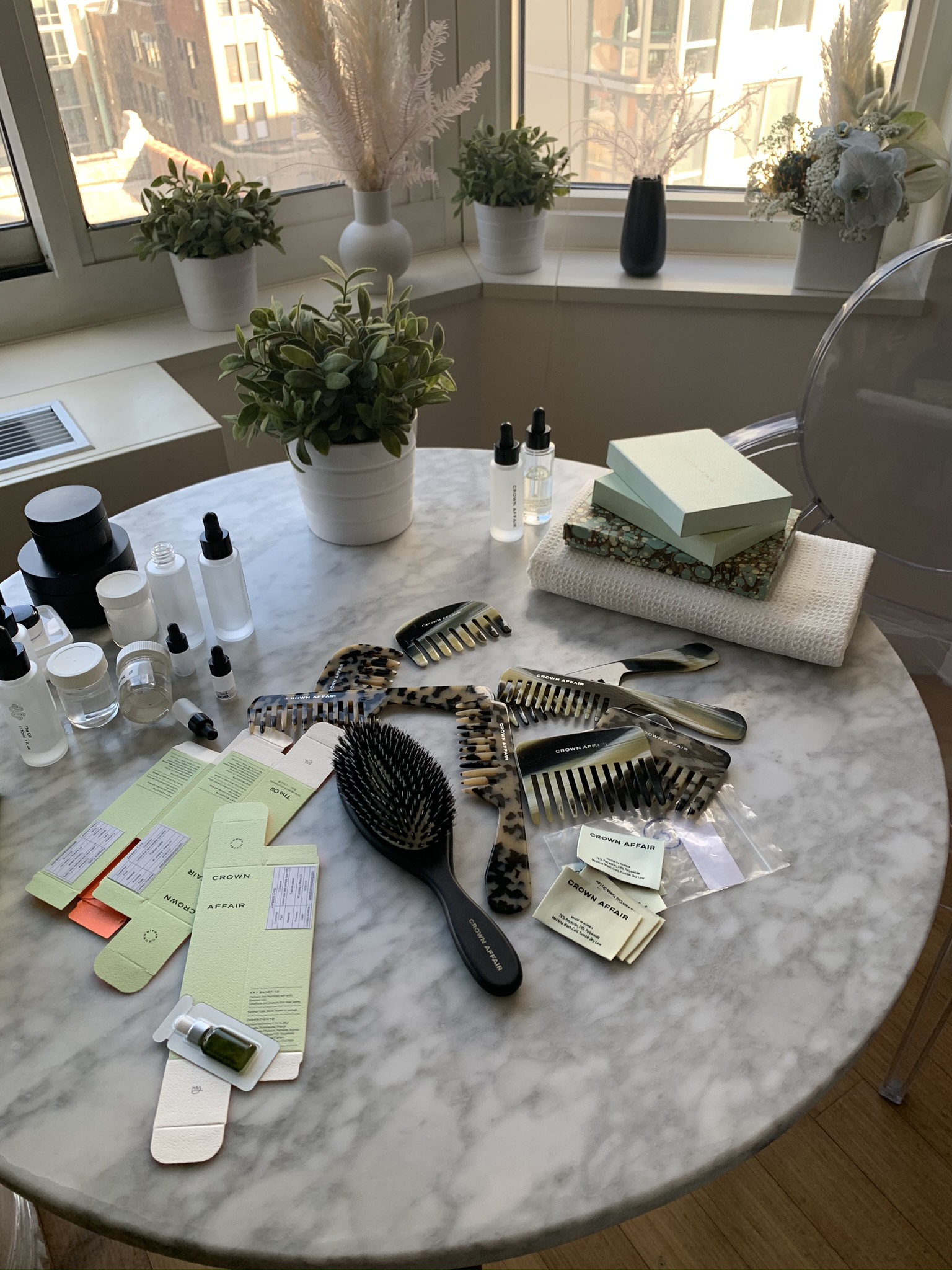
The one thing you can’t force or fabricate is time. You can have the best resources, the loudest launch, or be everywhere all at once—but time still moves at its own pace. I think of it as a critical ingredient in the garden. When you allow things to grow thoughtfully, you’re building a foundation that can actually hold what comes next.
For us, patience has looked like a slower simmer—not stagnant, not passive, but intentional. Responsible growth has meant resisting the urge to chase every opportunity or shortcut. Of course, there are days when I wish we could wake up and suddenly be everywhere, but there is no silver bullet. What does happen over time is far more powerful: an unsung hero product becomes essential, a loyal community forms and grows with you, and trust compounds.
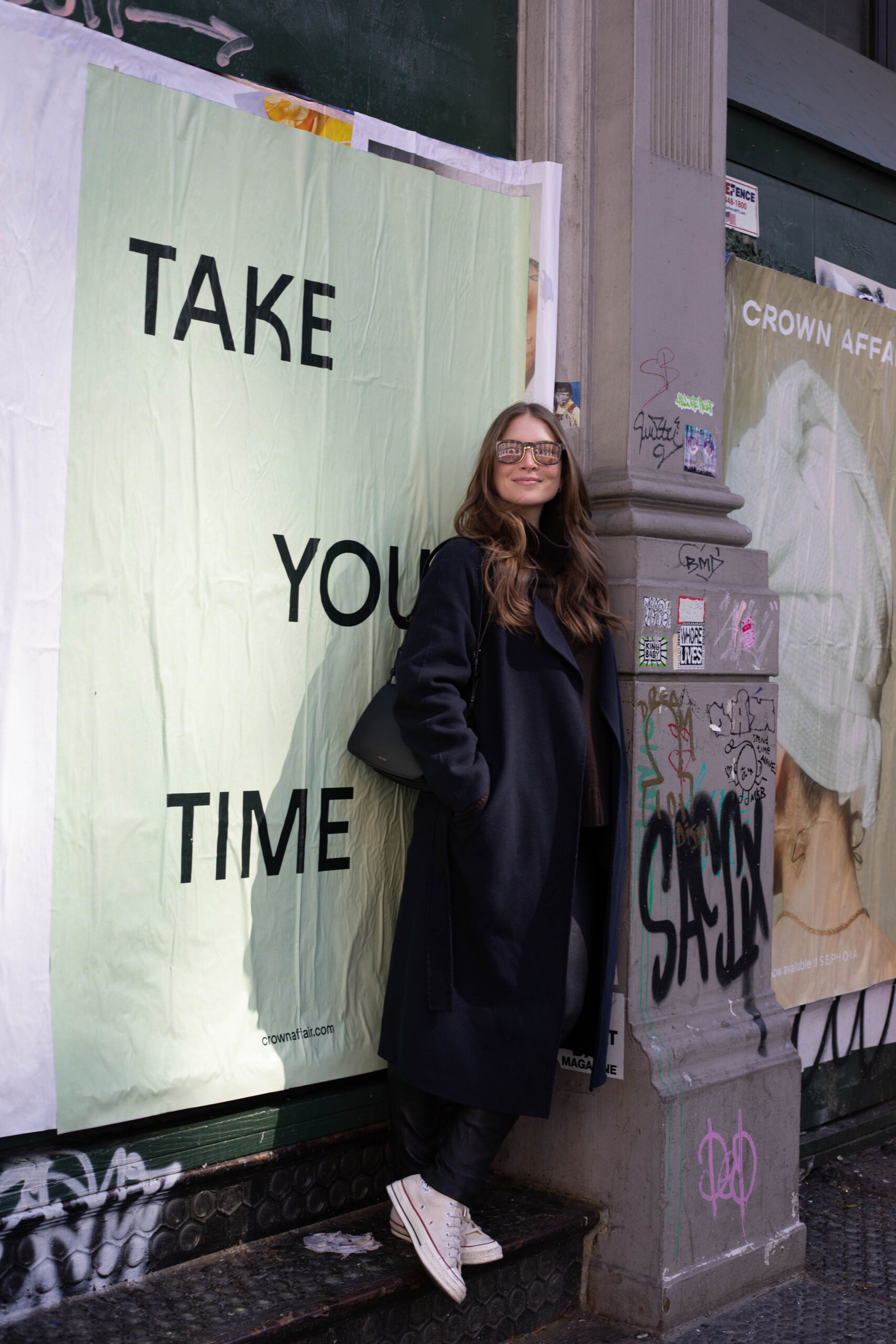
In practice, patience is continuing to show up—planting seeds, tending to them with care and integrity, even when the results aren’t immediate. And it’s also deeply personal. I believe in taking the time you need to care for yourself, because that steadiness shows up in how you build. Journaling, stretching, walking, creating quiet—those rituals aren’t indulgent, they’re grounding. I joke that “Take Your Time” is on all of our packaging as much for me as for anyone else. I’m naturally someone who wants to do it all, right away—but I’ve learned that the fruit is sweeter when you let it grow.
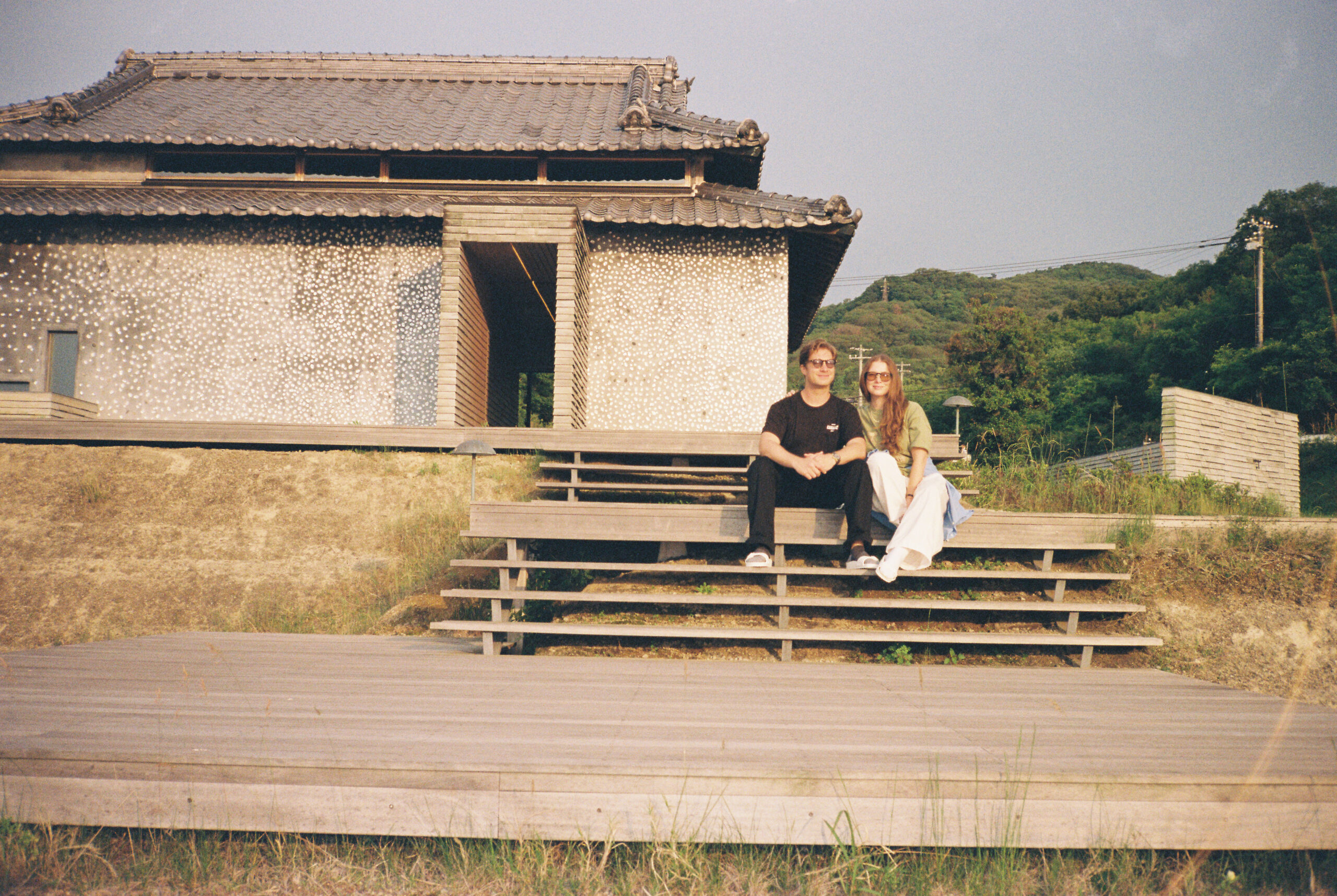
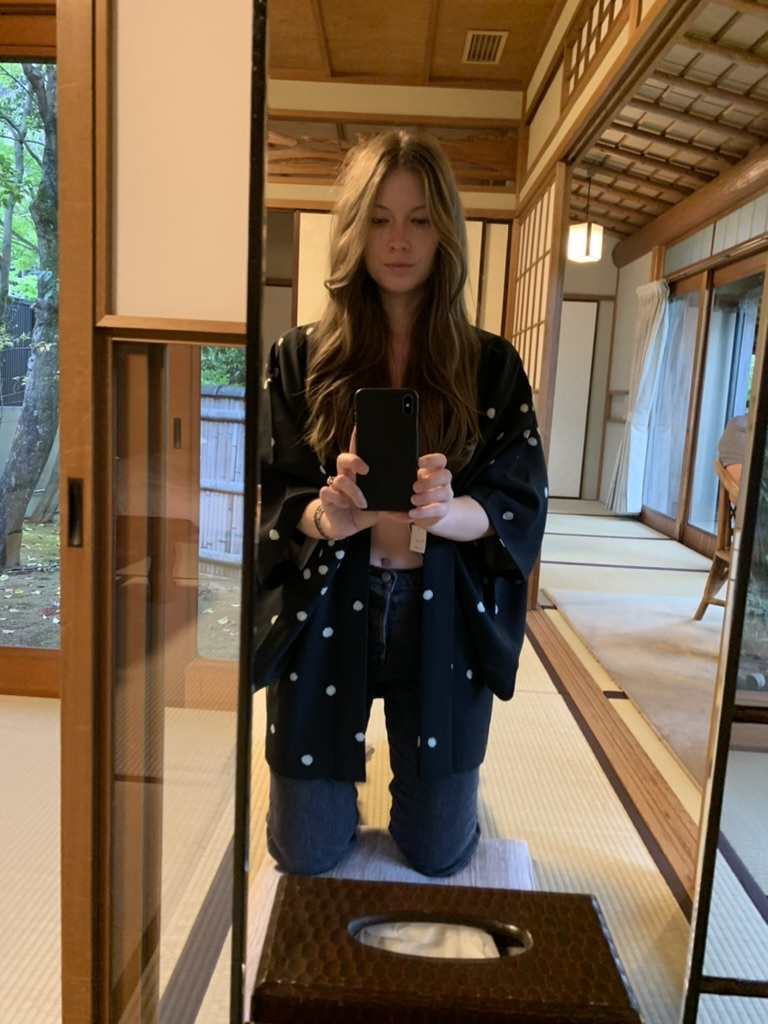
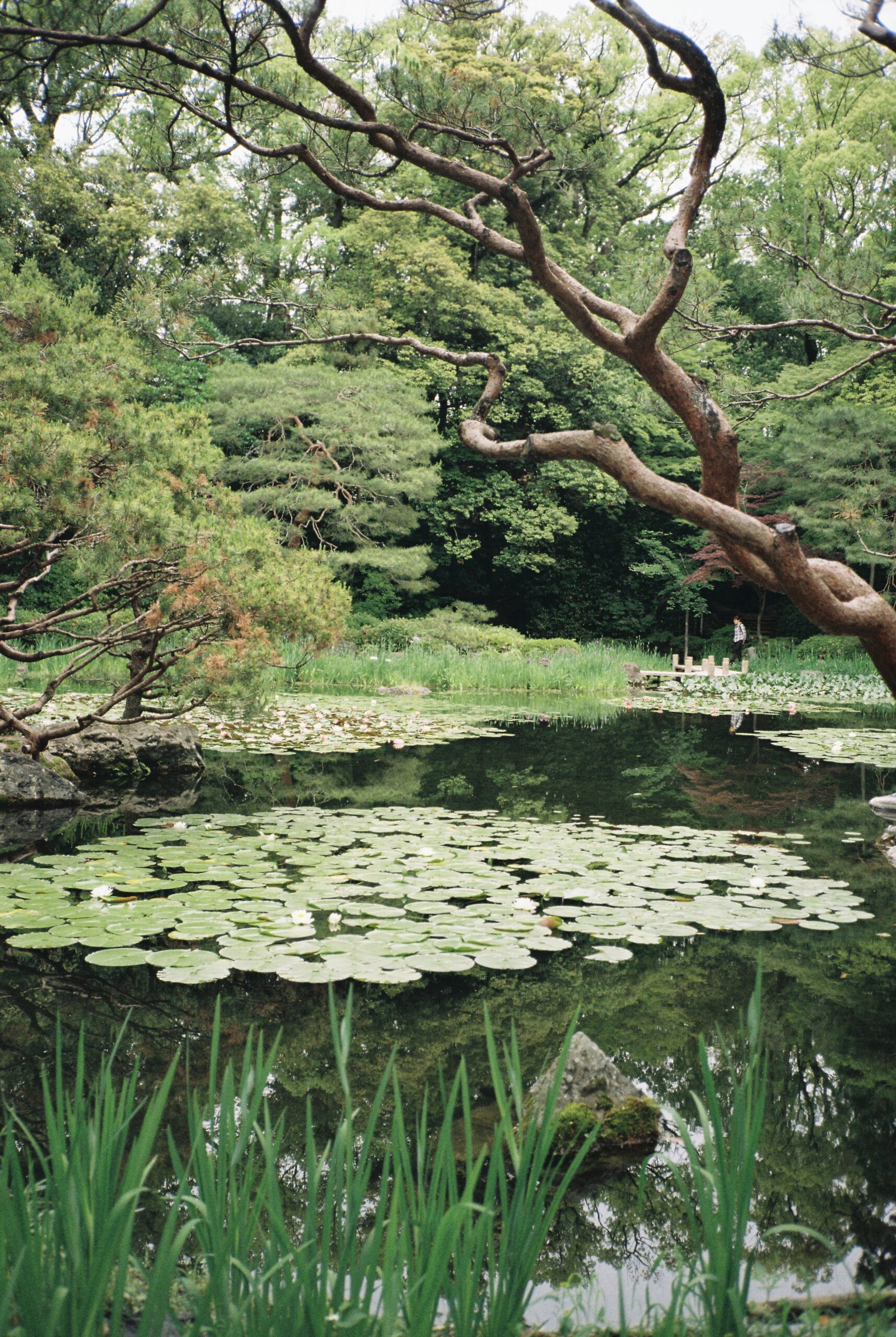
My first trip to Japan in 2019 fundamentally shifted how I understood care—of objects, of time, and of ourselves. I had already been deeply influenced by Sho Shibuya, who I worked closely at Away and who would later become Crown Affair’s Creative Director. Sho lives his life with ritual and reverence—waking early to watch the sunrise, surfing in the morning, returning to the same practices day after day. When I arrived in Japan, I realized that this way of moving through the world wasn’t personal preference—it was cultural. Time, mastery, and care are built into everything. Ceramics from the 1940s or 50s are used daily, not preserved behind glass. Gardens are tended with patience. Craft is honored through repetition and pride.
I’ve always believed the bathroom is a sacred space—a place for rituals and restoration—and in Japan, that philosophy is deeply embodied. The head spa I visited in Shibuya, recommended by my hotel, was unlike anything I had experienced. It felt like the opposite of a blowout bar in Manhattan. Instead of chasing a temporary look through heat and aggressive formulas, the entire experience centered on care — of the scalp, the hair fiber, and the nervous system. The results weren’t flashy, but they were profound.
They used tsubaki seed oil on my hair, and I couldn’t stop touching it for days. When I returned home, I started researching it and learned that tsubaki seed oil is molecularly smaller than many oils commonly used in haircare. It actually penetrates the hair fiber, increasing flexibility and softness, rather than sitting on top or stiffening the hair the way protein-heavy formulas can. I fell in love with it—and it’s now in every Crown Affair formula.
That experience reframed everything for me. It shifted my perspective from styling to stewardship. Hair wasn’t something to fix or control—it was something to care for over time. That moment stayed with me, quietly and persistently, and ultimately became the foundation for Crown Affair.

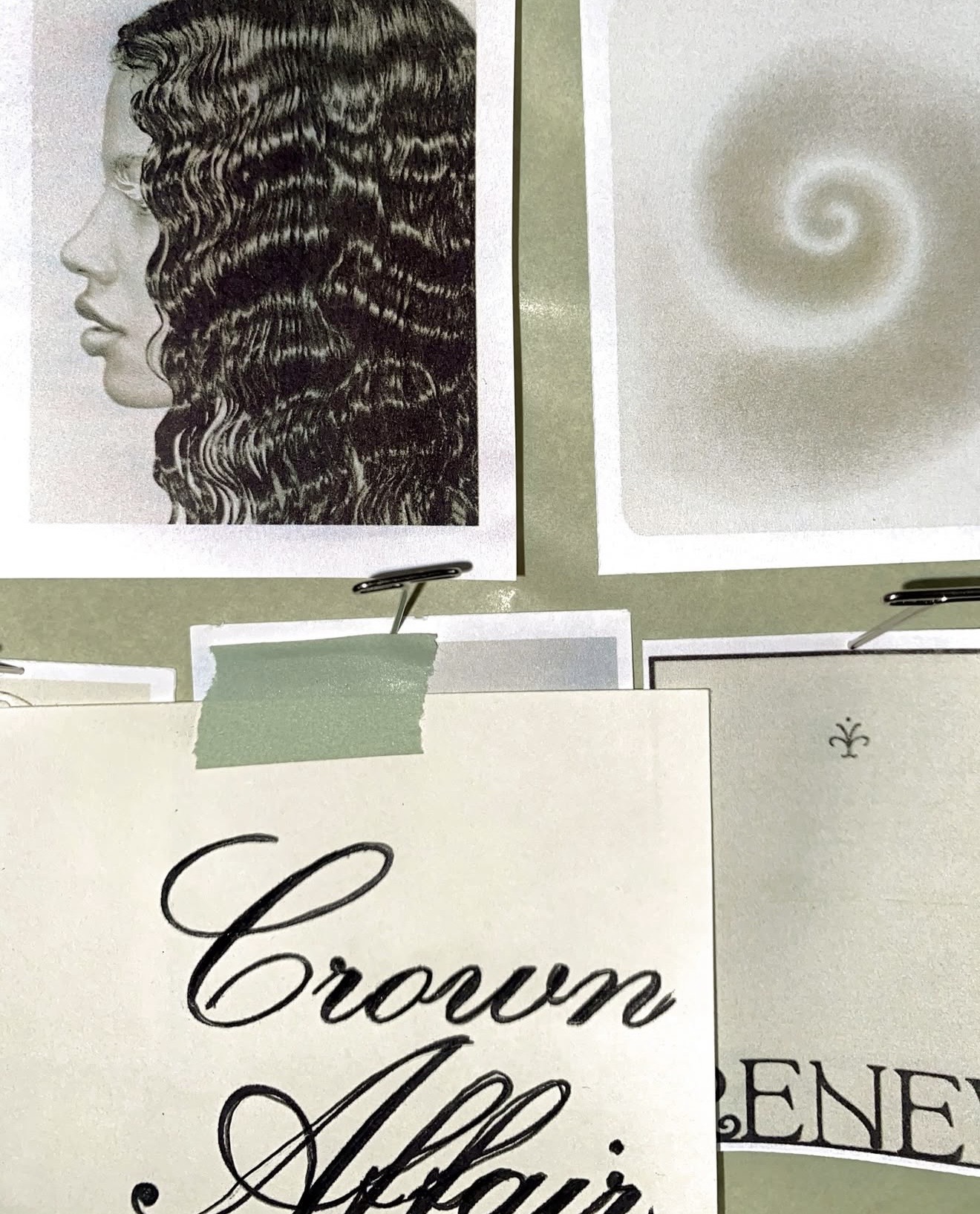
Crown Affair most literally refers to a love affair with your crown—your hair—but it also holds a more personal meaning for me. It’s a quiet nod to the love story between my husband and me. We met at MoMA in 2013 at a René Magritte curatorial walkthrough, where The Son of Man—an image that later became a symbol in The Thomas Crown Affair, one of our favorite films—was part of the exhibition. That moment, and that idea of intrigue, care, and reverence, stayed with me.
Hair has always been something we both take seriously—almost ceremonially. He was the first man I ever dated who owned a beautiful hairbrush and thoughtfully chosen products (credit where it’s due: my mother-in-law). Brushing your hair can be such an intimate, grounding act, and it’s something we both genuinely love.
At its core, Crown Affair is about respect. Your crown is uniquely yours, and how you care for it reflects how you care for yourself. That sense of intimacy, intention, and reverence is central to everything we build. When you slow down and tend to your hair with care, you’re practicing something deeper—self-attention, presence, and self-love.
How you do anything is how you do everything. By designing haircare to feel slower and more intuitive, my hope is that people begin to savor their everyday actions more broadly, too. The real magic is balancing presence with practicality—creating rituals that feel thoughtful in the moment, while also giving people their time back.
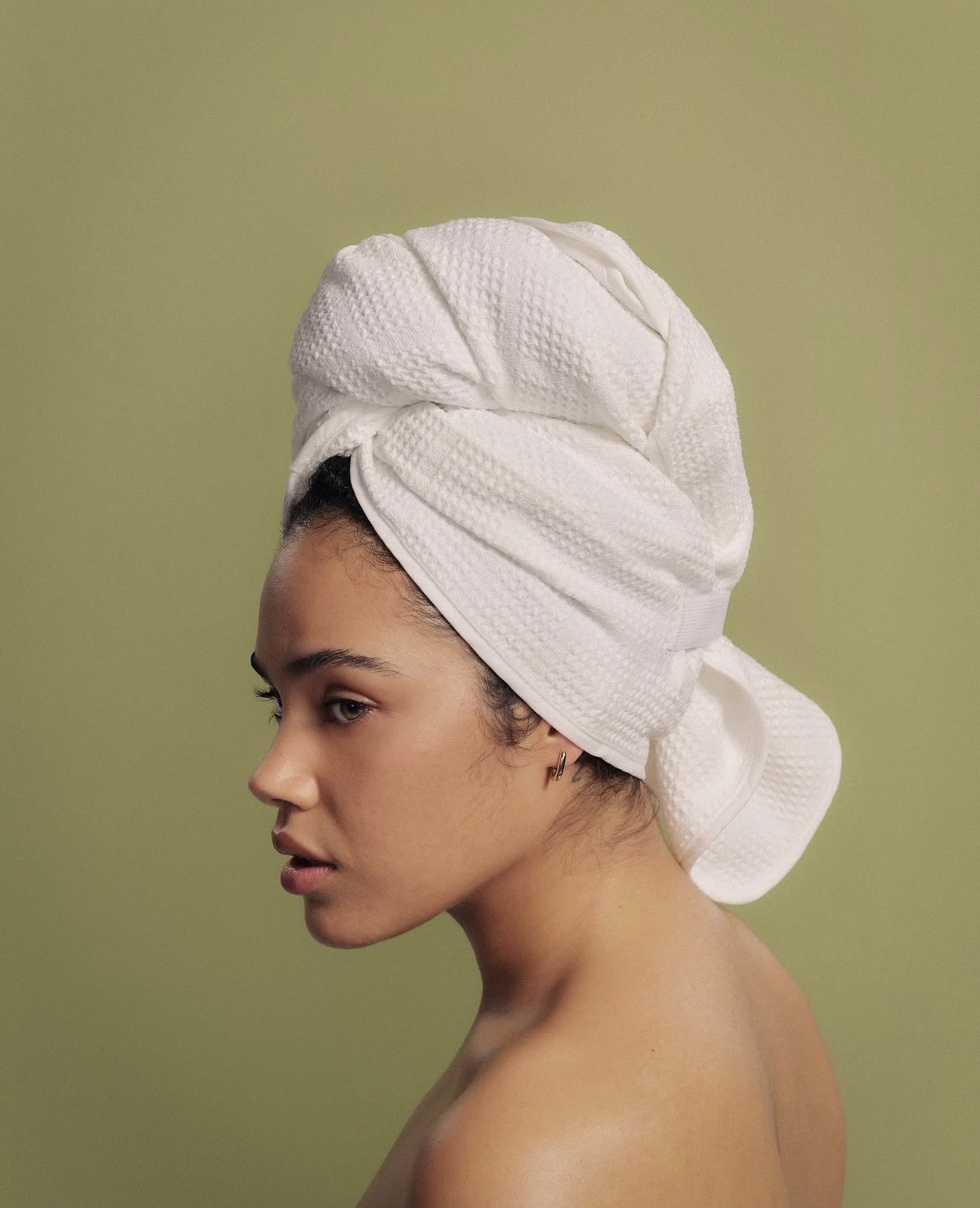
That’s where innovation comes in. We design products that extend time between wash days, like our Dry Shampoo, cut drying time in half with The Hair Towel, or allow for styling without the need to rewash through our Brush-Away Blend™ gel and mousse technology. It’s intention built into function, in a category that has historically felt rushed or outdated.
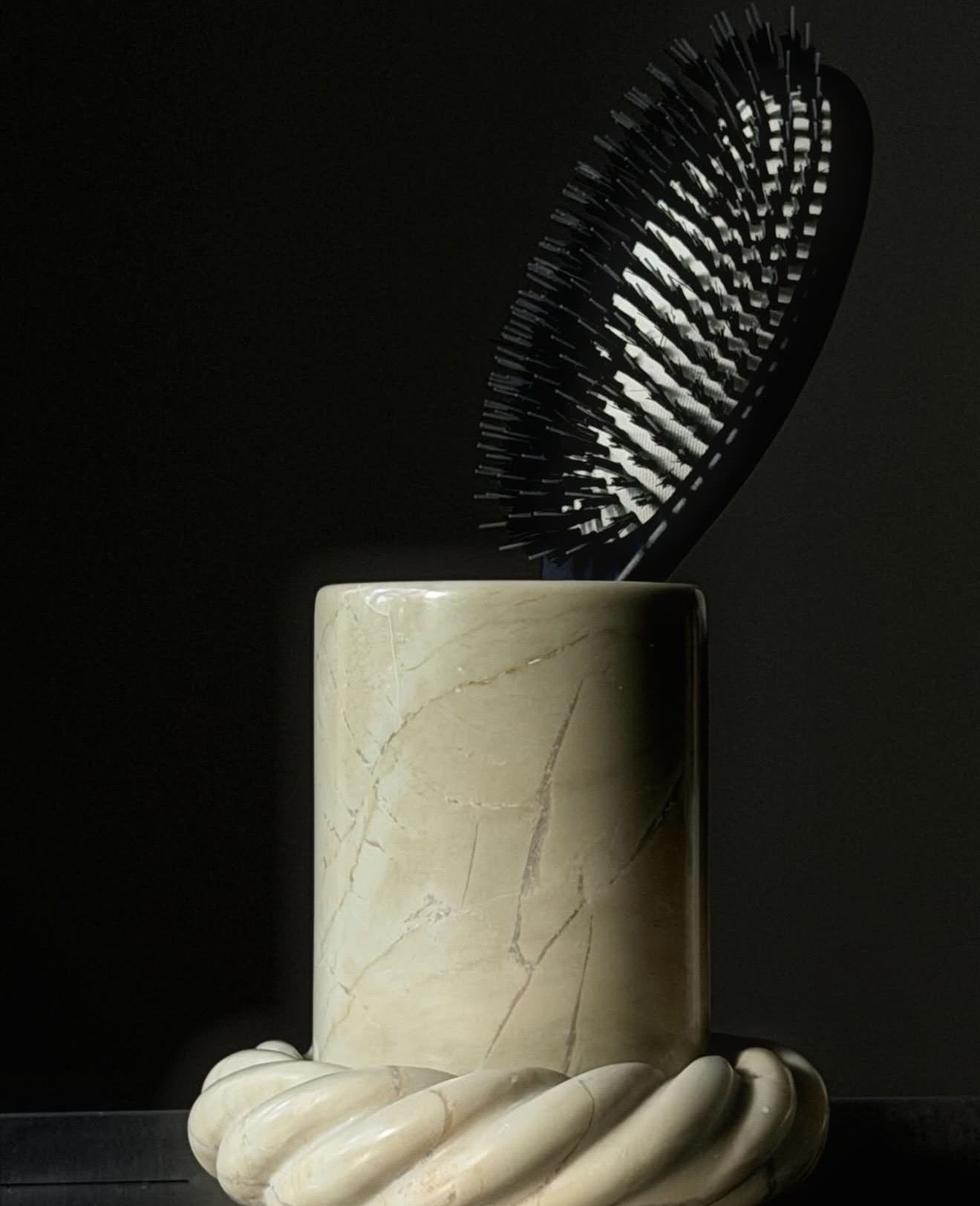
We design for slowness in quiet, tactile ways—tools that invite touch, timing, and care. Ritual doesn’t have to be elaborate to be meaningful. Sometimes it’s as simple as brushing your hair with intention and letting that moment bring you back to yourself.
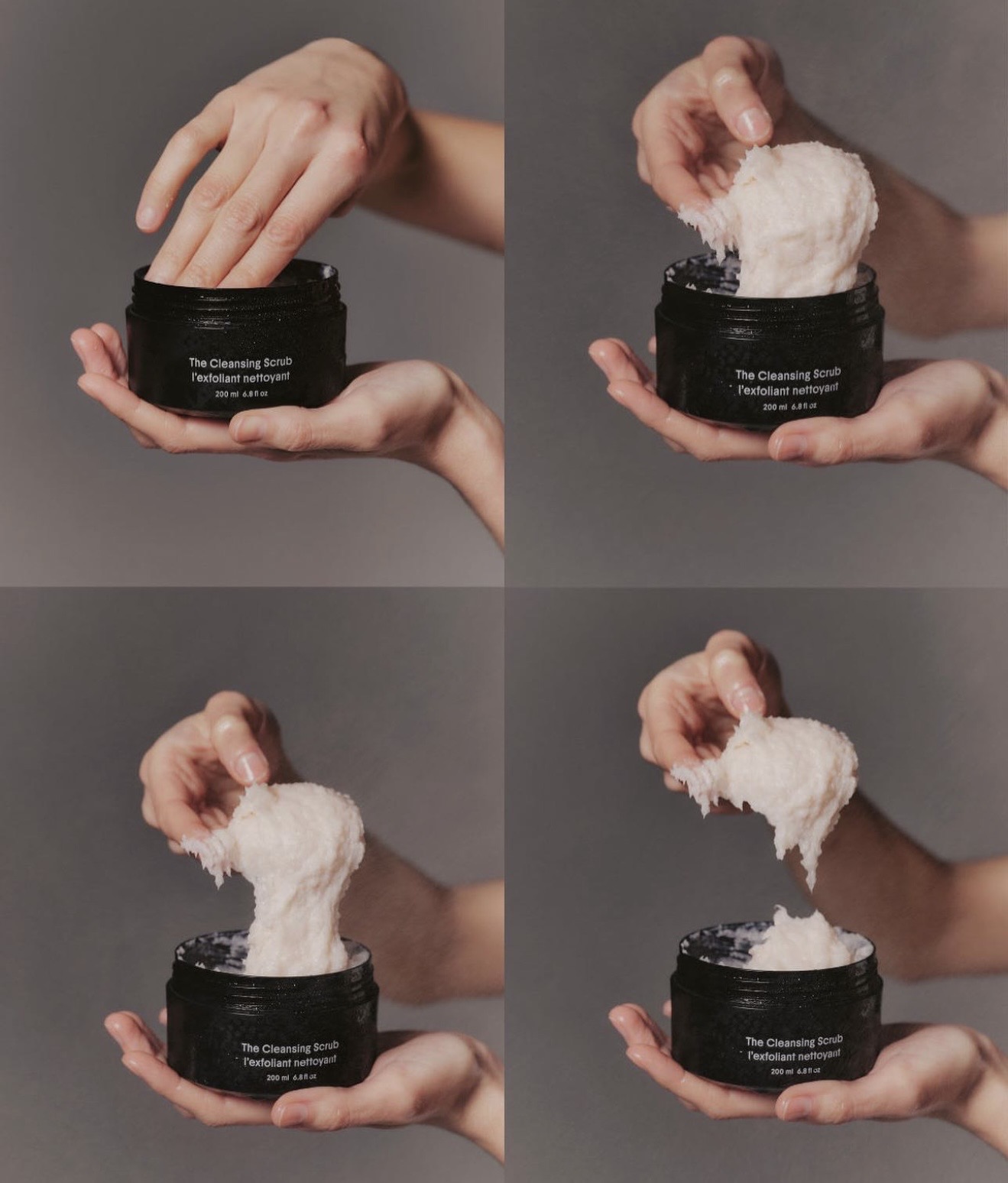
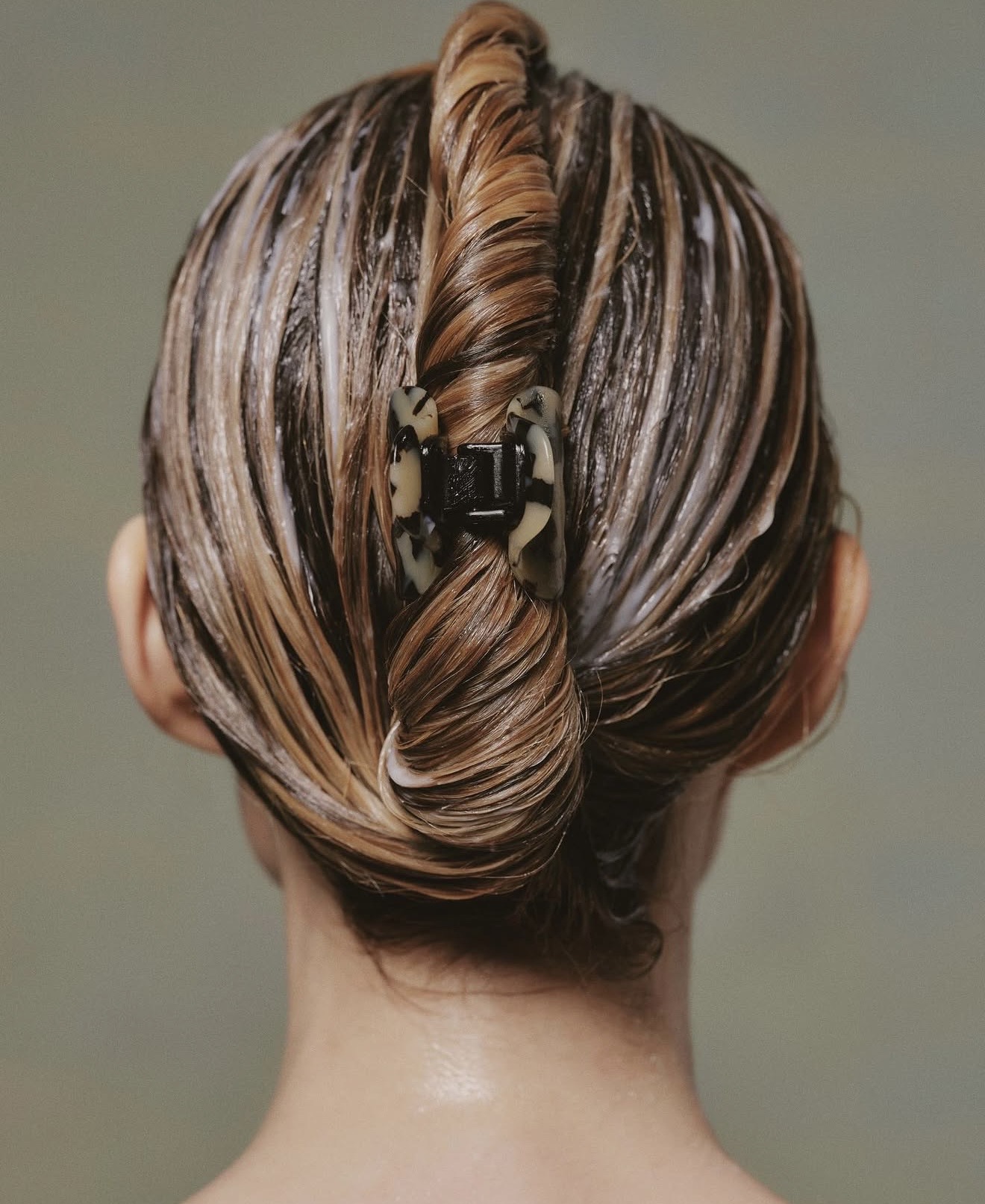
This was essential to me from the very beginning. So much of haircare lives hidden—under the sink, in the shower—almost treated as an afterthought. I wanted the experience to begin the moment you pick up the box, with the feeling that this is something worthy of care and intention, just like you are.
Packaging is a quiet but powerful cue. When something is beautifully designed and meant to live out in the open, it subtly changes how you interact with it—and how you move through your day. Those small details matter; they invite presence.
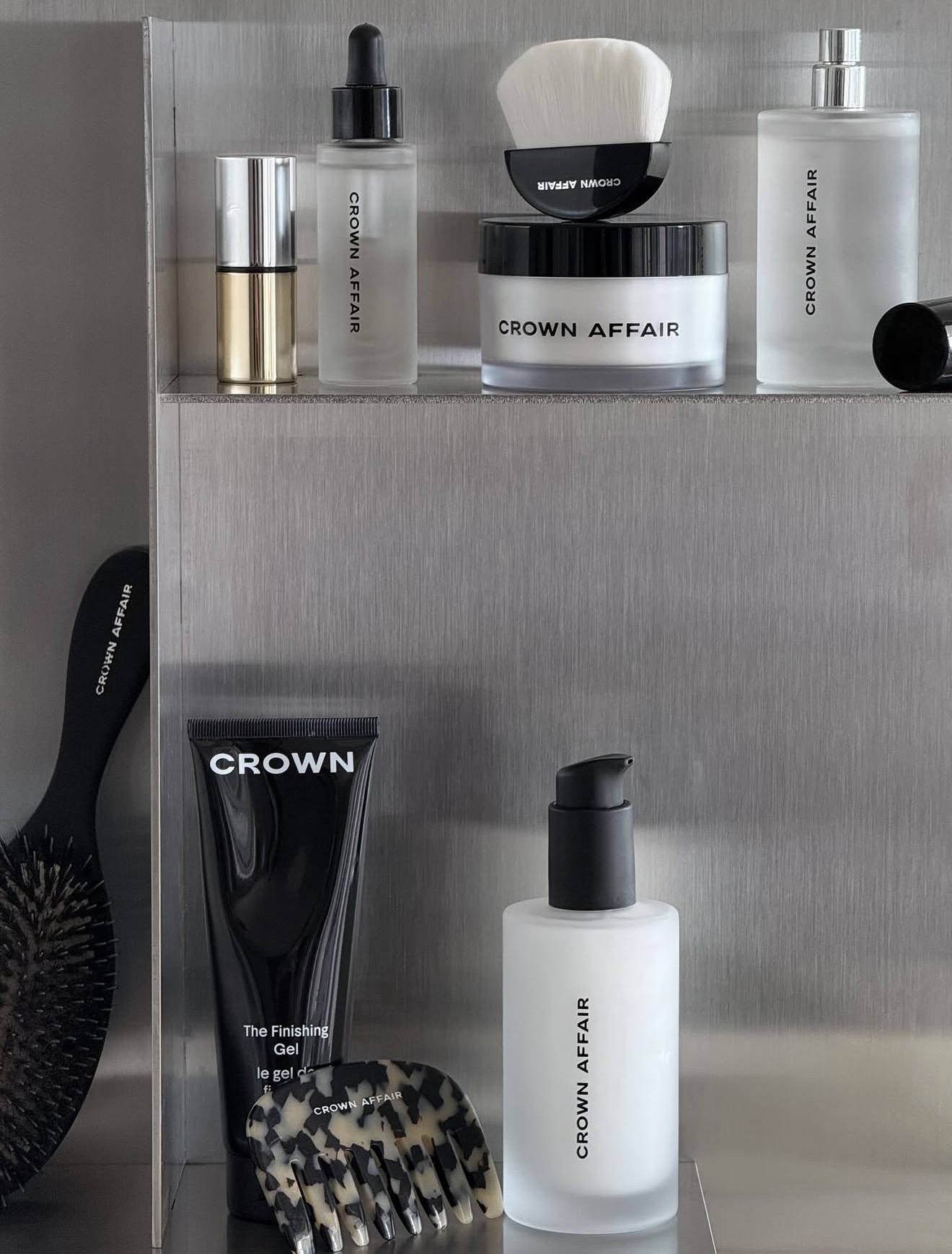
Makeup, skincare, and fragrance had long been part of a playful, architectural conversation, while haircare was largely excluded from it. Crown Affair was about bringing haircare into that world. The packaging is meant to ground the ritual visually and physically—turning an everyday act into something tactile, intentional, and meaningful.
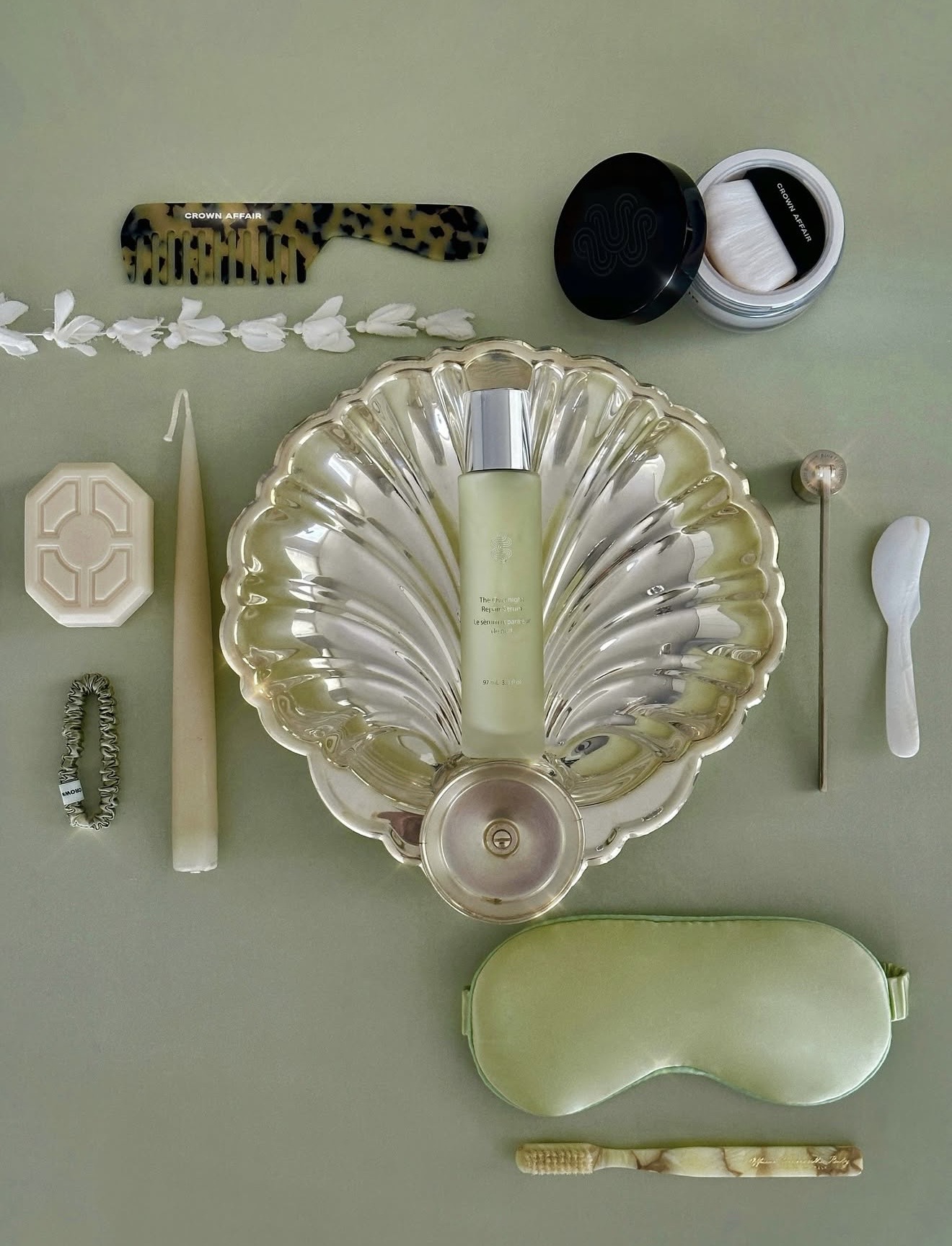
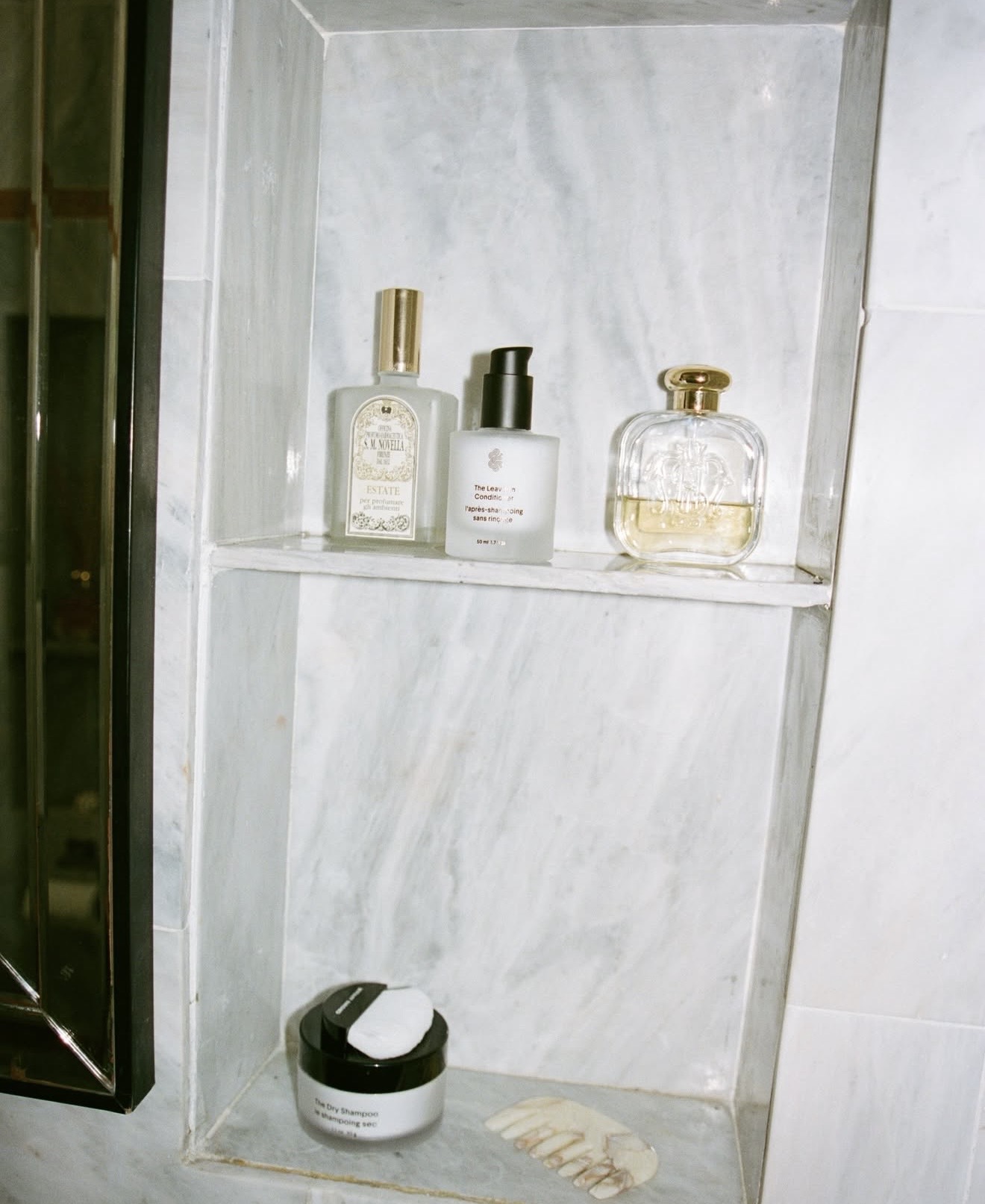
There’s nothing that makes me feel more like myself than a good hair day—so I’ve never understood leaving that up to chance with hotel shampoo and conditioner. No shade to great hotel amenities, but most formulations simply aren’t designed to deliver truly personal results. Knowing how my hair will behave—how it will dry, feel, and move—is worth packing for. Especially when I’m traveling in warm climates and air-drying often, I can’t imagine not having my own haircare with me.
Bringing my products—especially those familiar textures and scents—grounds me in unfamiliar spaces. It turns a hotel bathroom into something that feels a little more like home. I think haircare historically lagged behind skincare because we didn’t talk about it with the same seriousness or education. That’s finally changing. When I launched Crown Affair six years ago, I used to say it would take about a decade to raise consumer consciousness around haircare—and I think we’re truly on our way. Let’s check back in 2030. 🙂
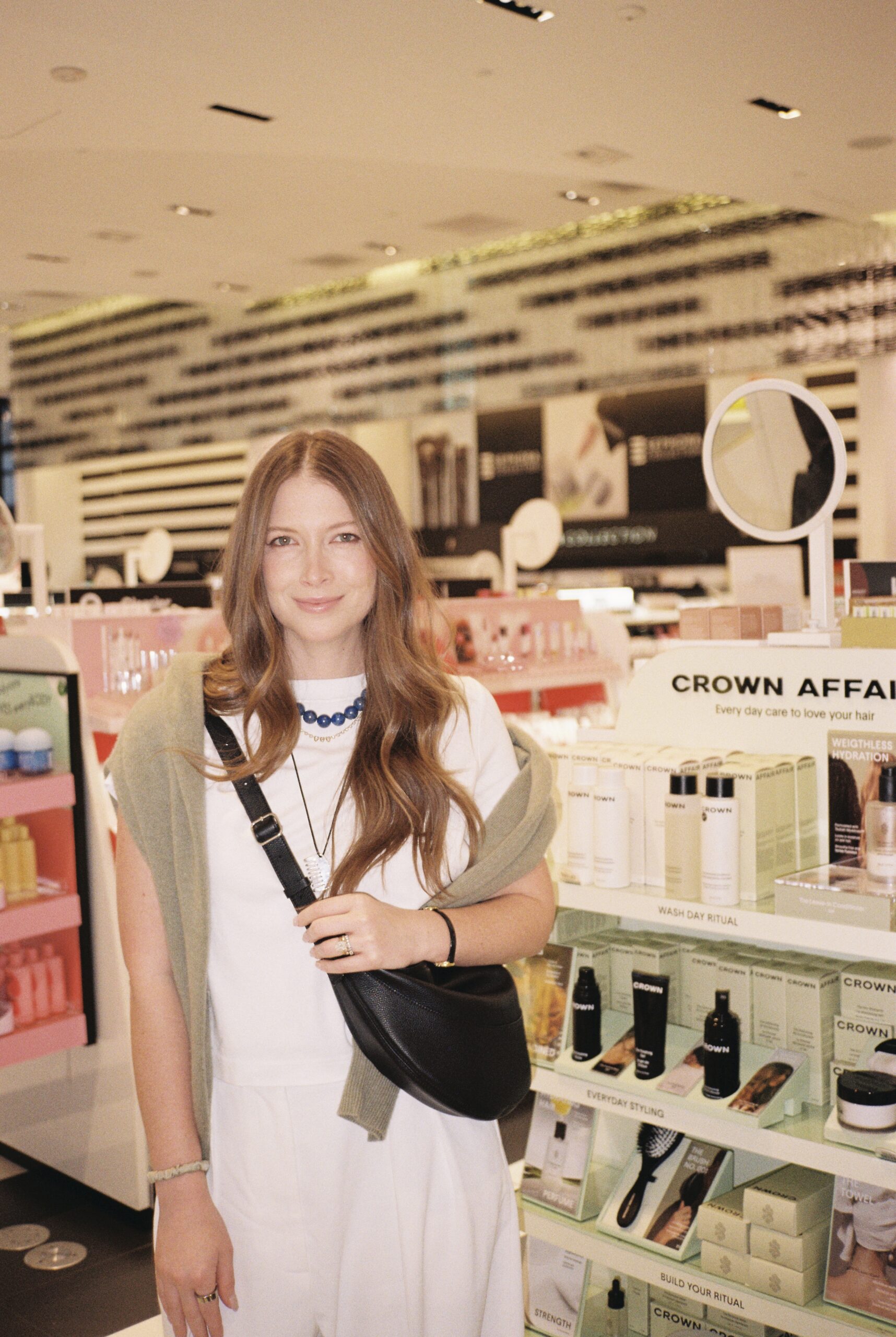
Launching in Sephora—especially at the very first location I ever shopped—felt incredibly full circle. The Soho store has been my “home” Sephora since I moved to New York in 2009, and it holds so many memories of discovery, curiosity, and inspiration. I spent years popping in after work, grabbing products for shoots during my Into The Gloss days, and just wandering the aisles learning.
Walking in now and seeing Crown Affair there—right when you enter—still feels surreal. It’s one of those quiet, pinch-me moments that reminds you how far an idea can travel when you stay with it. Getting to know the incredible team behind the scenes has only deepened that feeling—the Soho Sephora truly operates like a ballet, and being part of that ecosystem is something I’ll never take for granted.
As Crown Affair grows, I’m most intentional about protecting our essence—our why. When you’re doing meaningful, original work, it will inevitably be noticed and, at times, mirrored. That’s part of building something impactful, and I’ve learned to make peace with it. You can feel it when your point of view starts to echo elsewhere—especially when larger players enter the conversation—but I remind myself that innovation always comes from staying close to your own truth.
My focus is keeping our blinders on and continuing to build for our community, and for myself as the core customer. As long as we protect that clarity—our values, our taste, our standards—we’ll keep growing in a way that feels aligned. I truly believe people are drawn to things with quality and soul. It may take longer for them to find you, but when they do, there’s a real sense of connection—and that’s worth protecting above all else.
Deepening the ritual—without question. First and foremost, we’re a haircare brand, and what excites me most is pushing formulation forward, especially in the space of clean products that truly perform. High-performance and clean is incredibly difficult to do well, but I see it as our responsibility. I don’t feel compelled to launch anything unless it’s meaningfully better and genuinely improves someone’s routine.
Of course, Crown Affair has been built with the flexibility to expand thoughtfully over time—but going deeper is where the real magic is for me. There’s still so much opportunity in clinical innovation and in helping people reconnect with their hair in a slower, more intuitive way. When you deepen the ritual, everything else follows.
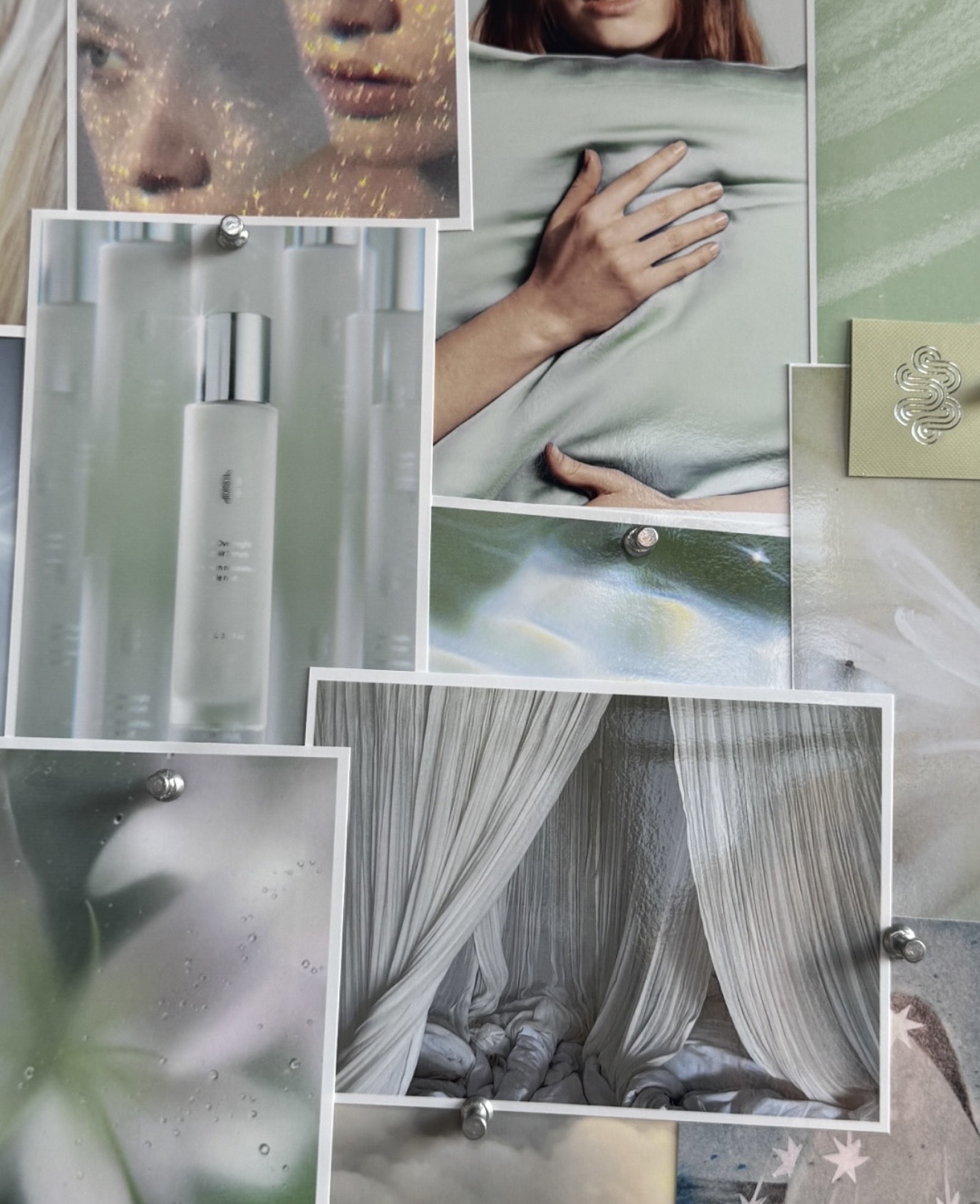
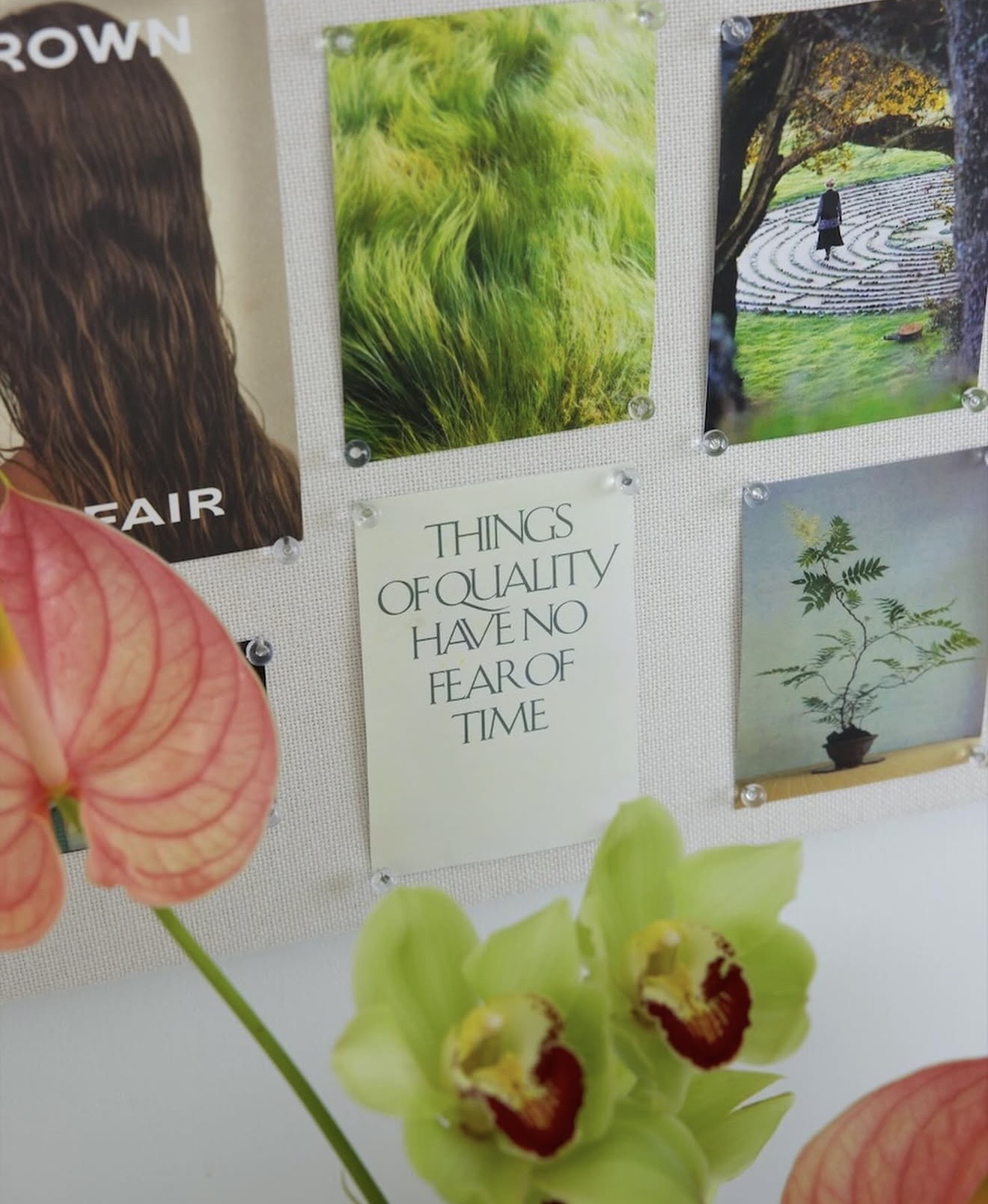
Wow, I love this question. I hope the first thought is that they love the experience — the first sight, the first smell, the first touch, the way they feel while and after using it. I hope to always make beautiful things that remind people they are worthy of care and beauty in this world — not just with their hair, but in all areas of their lives.
Want to stay informed on the latest happenings at the hotel and in the neighborhood? Subscribe to our e-newsletter below. (We’ll let you in on a few secrets along the way and share scenes of the stylish people and events at the hotel and in our neighborhood.)